
Introduction: Where Wheat Ridge’s Past Meets Present
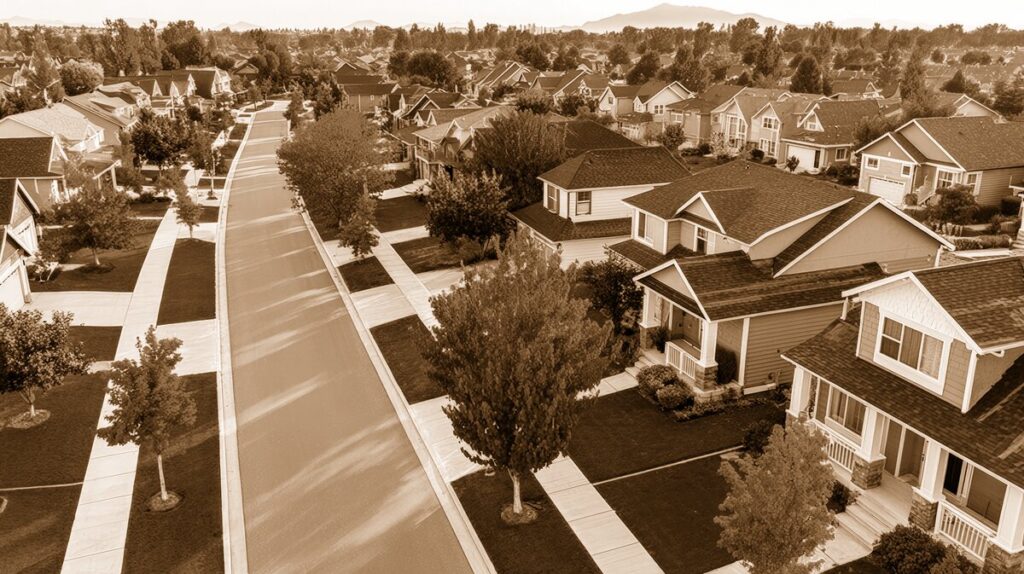
Tucked away in the heart of Wheat Ridge, Ridgeview Estates is far more than just a collection of tidy homes and quiet streets. Walking through this friendly neighborhood, it’s easy to feel the layers of history that define the area—a sense that every block has a story, every park a cherished memory. For lifelong residents and newcomers alike, Ridgeview Estates embodies the heritage, pride, and resilience that have shaped Wheat Ridge into the vibrant city it is today.
The Origins of Ridgeview Estates
Before Ridgeview Estates became the beloved neighborhood it is now, the area was part of the wide-open spaces that characterized Wheat Ridge’s agricultural roots. In the early 1950s, as Denver’s population expanded, visionaries saw potential in the rolling hills and scenic vistas just west of the city. Development began in earnest in the mid-1960s, with the intention of creating a community that balanced suburban comfort with the natural beauty of the Rocky Mountain foothills.
The name "Ridgeview Estates" was carefully chosen to capture that essence. The gentle slopes of the land provided sweeping views to the west—iconic ridges that have always defined the area’s skyline. Developers wanted to honor these natural formations while promising prospective homeowners an estate-like sense of spaciousness and peace, far from the urban bustle.
Key Historical Milestones
The 1970s brought a flourishing period for Ridgeview Estates. With its wide lots, mature trees, and the convenience of nearby West 38th Avenue, families flocked to the neighborhood. Key milestones in the neighborhood’s evolution include:
- 1972: Ridgeview Park is established at the intersection of Quail Street and W. 39th Avenue, quickly becoming a gathering space for little league games and summer picnics.
- 1980: The opening of Ridgeview Community Center, located on Parfet Street, offers a venue for local clubs, neighborhood events, and senior programs—a true heart of the neighborhood.
- 1995: Traffic calming initiatives were introduced along Kipling Street and Independence Street, ensuring safety for residents and preserving the neighborhood’s peaceful character.
- 2005: The Ridgeview Estates Neighborhood Association is founded, giving neighbors a united voice while sponsoring annual block parties and historic preservation projects.
Notable Landmarks and Hidden Gems
One of the joys of living in Ridgeview Estates is discovering its unique landmarks and quiet corners. Old-growth cottonwoods line Wadsworth Boulevard along the eastern edge, standing as living testaments to decades of care and stewardship. The historic Daniels Farmhouse—now part of Wheat Ridge’s city registry—is tucked away on W. 40th Avenue, its weathered brick and broad porch harkening back to a time when this area was dotted with orchards and vegetable fields.
Another beloved site is Ridgeview Park itself. Not only has it hosted generations of Wheat Ridge residents at play, but the park is also home to a time-capsule monument buried in 1987, with plans to open it in 2037 on the neighborhood’s official 70th anniversary.
Streets That Tell a Story
Every street in Ridgeview Estates has its own character and charm:
- Brentwood Street: Known for its canopy of maples that burst into fiery color each autumn.
- Independence Street: Site of the original trolley line that once connected Wheat Ridge with downtown Denver—residents still find old railroad ties when gardening.
- Simms Place: Home to a row of houses built using locally made brick, a nod to Wheat Ridge’s historic brickworks.
Each of these streets reflects thoughtful planning and a deep respect for the area’s place in Wheat Ridge history.
Evolving with the Times
Over the decades, Ridgeview Estates has gracefully adapted to modern needs while honoring its heritage. Early ranch-style homes now stand alongside tasteful remodels and newer builds, yet the original spirit of the neighborhood remains unchanged: friendly waves from porches, block parties that spill into the street, and annual garden tours featuring some of the city’s lushest flowerbeds.
Local institutions, like Stevens Elementary School on Quail Street, provide generations of children with a place to learn and grow, fostering a tight-knit community where neighbors watch out for one another. The Wheat Ridge Historical Society has worked closely with Ridgeview residents to document oral histories and preserve key buildings, ensuring new arrivals appreciate the neighborhood’s rich backstory.
What Makes Ridgeview Estates Special
Longtime residents often say that Ridgeview Estates is Wheat Ridge in miniature—a place where the past and present coexist beautifully:
- Strong Community Bonds: The annual Summer Ice Cream Social at Ridgeview Park draws families, retirees, and newcomers together, a simple tradition that carries decades of memories.
- Natural Beauty: The foothills views from the higher streets never get old, while local birdwatchers love spotting hawks and songbirds in the old-growth trees.
- Commitment to Heritage: Through ongoing preservation efforts and active participation in Wheat Ridge’s civic life, Ridgeview Estates remains a living testament to the city’s history, resilience, and ability to evolve.
Closing: A Neighborhood to Treasure
Ask any Ridgeview Estates resident what they treasure most, and chances are you’ll hear about the sense of belonging—a feeling that’s as timeless as the ridges themselves. Whether you’re strolling down Brentwood Street in the golden light of autumn or enjoying a picnic at Ridgeview Park, it’s easy to understand why this community continues to grow and thrive. Here, history isn’t just something you read about—it’s something you live, every single day.